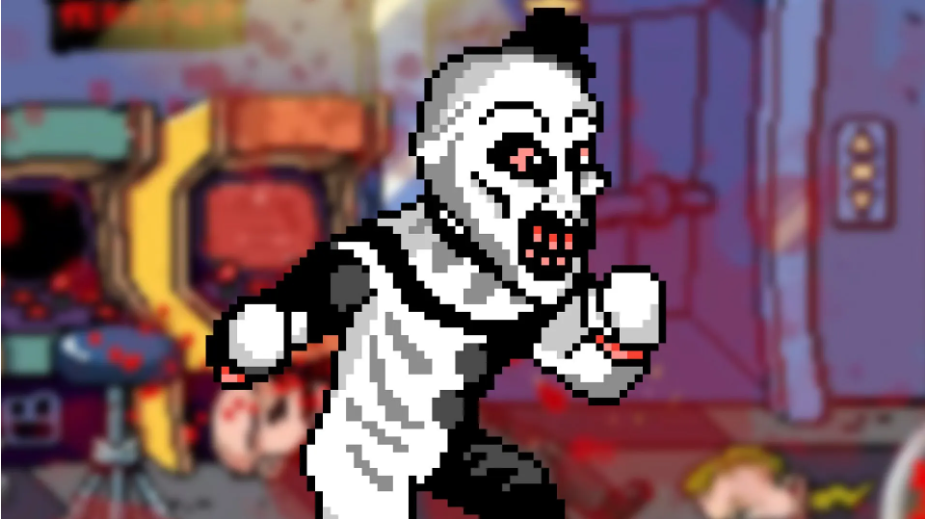
Art has always been one of humanity’s most powerful forms of expression. From ancient cave drawings to modern digital illustrations, art reflects emotions, beliefs, and imagination. As technology advanced, art expanded beyond traditional painting and sculpture into new formats such as pixel art, animation, and character design.
In the entertainment industry, horror character design has also become a unique artistic expression. Characters like Art the Clown demonstrate how visual design can create psychological fear without relying heavily on dialogue.
This article explores art history, pixel art evolution, and horror character aesthetics in modern culture.
Understanding Art and Its Importance
Art is the human ability to communicate ideas, emotions, and imagination through visual or conceptual creation. It includes painting, sculpture, photography, animation, and digital media.
Why Art Matters
- Preserves history and cultural heritage
- Expresses social and emotional ideas
- Encourages innovation and creativity
- Builds identity and community
- Influences global culture
Art has shaped civilizations throughout human history and continues to define modern society.
Historical Development of Art
Ancient Art
Early art forms included cave paintings, symbolic carvings, and primitive sculptures. These artworks documented survival experiences, religious rituals, and social activities.
Classical Art
Classical art focused on realism, symmetry, and proportional beauty. Sculptures and paintings during this era emphasized harmony and human anatomy.
Modern Art
Modern art introduced abstraction, experimentation, and emotional expression. Artists began breaking traditional artistic rules.
Digital Art
Digital art represents the newest artistic evolution. It includes graphic design, animation, 3D modeling, and pixel-based artwork.
Technology continues to reshape artistic creativity.
Pixel Art: The Digital Revolution in Visual Creativity
Pixel art is a digital art style that uses small square units called pixels to create images. Each pixel is intentionally placed to construct characters or environments.
Pixel art gained popularity during the early video game era when hardware limitations restricted graphical complexity.
Today, pixel art remains culturally significant due to nostalgia and artistic simplicity.
Origins of Pixel Art
Pixel art emerged during the 1970s and 1980s when computer systems had limited graphical processing capabilities. Game developers used pixel art to design characters and environments.
Modern indie games continue using pixel art intentionally to create retro aesthetics.
Why Pixel Art Is Popular
Nostalgia Appeal
Pixel art reminds audiences of classic arcade and console games.
Creative Simplicity
Artists work within limited color palettes, which encourages innovative problem solving.
Indie Game Culture
Many independent game developers use pixel art for stylistic storytelling.
Pixel art demonstrates that creativity does not depend on advanced technology.
Core Techniques of Pixel Art
Limited Color Palettes
Pixel artists typically use controlled color ranges to maintain visual consistency.
Grid-Based Structure
Artwork is created on a grid system, ensuring precision placement.
Dithering and Shading
Artists use pixel patterns to create gradient effects and depth.
Frame Animation
Pixel animation requires careful frame-by-frame design planning.
Despite its simplicity, pixel art requires high artistic discipline.
Horror Character Design and Cultural Influence of Art the Clown
Art the Clown is a modern horror character known for appearing in the Terrifier film series.
The character is recognized for:
- Black-and-white clown makeup
- Silent but expressive behavior
- Disturbing facial exaggeration
- Minimal dialogue storytelling
The design relies on psychological horror rather than conversation.
Visual Design Psychology of Horror Art
Horror characters often use:
- Contrast and darkness
- Silence and suspense
- Symbolic imagery
- Slow movement patterns
The aesthetic design of Art the Clown demonstrates how simple color schemes can create intense fear effects.
Traditional Art vs Pixel Art
| Traditional Art | Pixel Art |
|---|---|
| Canvas-based creation | Computer-based design |
| Physical tools | Digital software |
| Natural brush textures | Structured pixel grids |
| Organic color blending | Controlled digital textures |
Both forms require creativity, patience, and technical skill.
Horror Art and Modern Culture
Horror art explores fear, psychology, and emotional tension.
Fan communities often create digital adaptations of horror characters. Pixel art versions of horror characters combine nostalgia with modern horror storytelling.
Horror art relies heavily on:
- Contrast and shadow effects
- Limited dialogue
- Exaggerated visual features
- Slow suspense building
The design of Art the Clown reflects these principles.
Art and Entertainment Industry
Art influences multiple industries including:
- Film production
- Video game development
- Advertising design
- Branding and marketing
Without visual art, modern storytelling would lose a major communication tool.
Pixel art defines retro gaming aesthetics, while horror character art influences contemporary movie culture.
How to Start Learning Pixel Art
Begin with these steps:
- Use small canvas sizes
- Limit color selection
- Focus on basic shapes
- Practice shading techniques
- Study classic pixel games
Pixel art is an excellent entry point for beginners in digital creativity.
Why Horror Art Is Psychologically Effective
Horror art creates emotional reactions through visual tension.
The character design of Art the Clown uses:
- Silent expression
- Disturbing smile imagery
- Slow movement horror technique
Psychological horror often becomes more frightening than violent visuals.
Future of Art, Pixel Art, and Digital Creativity
Artificial Intelligence in Art
AI tools assist artists, but human creativity remains essential for originality.
Virtual and Immersive Art Experiences
Virtual reality and interactive environments are shaping future art forms.
Continued Popularity of Pixel Art
Pixel art will remain relevant in gaming, internet culture, and indie development.
Evolution of Horror Character Design
New horror characters may follow the visual influence established by characters like Art the Clown.
Why Art Will Remain Important in 2026
Art connects emotions, technology, and culture.
- Pixel art proves creativity can thrive under limitations.
- Horror character art shapes global entertainment aesthetics.
- Digital art expands artistic accessibility.
Whether through classical painting, digital pixels, or cinematic horror design, art continues inspiring humanity.
Conclusion
Art, pixel art, and Art the Clown represent three powerful dimensions of modern creativity.
Art connects history with innovation.
Pixel art blends nostalgia with digital expression.
Horror character design influences global pop culture.
In 2026, art continues evolving alongside technology while preserving traditional creativity. From classical art forms to pixel-based gaming visuals and horror storytelling, art remains a universal language of human imagination.